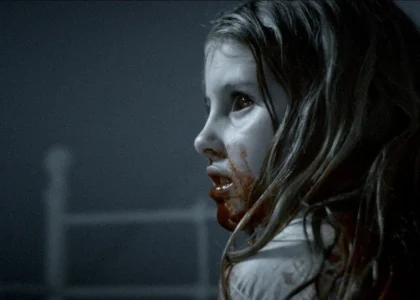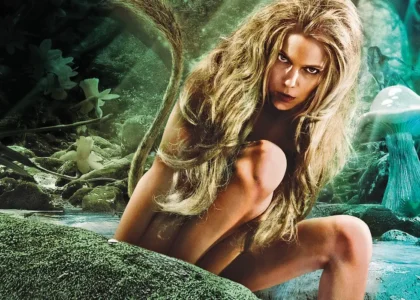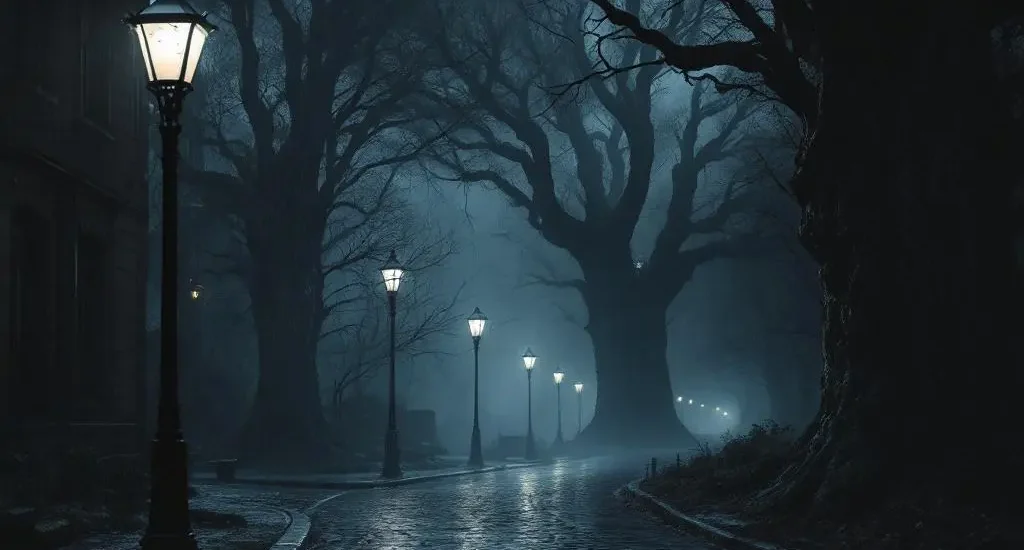
Let’s start with a scene: a detective in a rain-soaked murky Helsinki alley, chasing a strange conspiracy. Now cut to a child vanishing into a Swedish forest, lured by something not quite human. Both scenes send shivers down your spine – but for very different reasons. Nordic Noir and Nordic Horror are two sides of the same coin: both use the region’s stark beauty and social fabric to tell stories that haunt us. So what sets them apart? And why are we fascinated by both?
Nordic Noir: Crime in the Cold
Nordic Noir isn’t just a genre – it’s a cultural export, a moody mirror held up to Nordic society. Born from the plain streets and endless forests of the North, it’s a breed of crime fiction that swaps cozy whodunits for bleak landscapes, morally gray detectives, and stories filled with social critique.
Very much owing to the hard-boiled detective stories, the tone of Noir is often gritty and realistic. People are cold, and – if possible – the world around feels even colder. In this bleak world, people’s morals are ambiguous at best. When searching through themes, you’ll of course find crime and criminality as a whole, but also the elements of this gloomy worldview: social issues, immigration, misogyny, political corruption. All this set in the desolate Nordic landscapes, and played out by often sad and flawed heroes.
When comparing to classic detective stories, Nordic Noir is less about whodunit and more about why it happened – and what it says about us. It’s crime fiction with a conscience, pointing it’s flashlight on society’s darkest corners. Even the detectives are more or less antiheroes, flawed and brooding protagonists. Nobody’s perfect. That is to say, Nordic Noir is also about Nordic exceptionalism, the contrast between the region’s reputation for safety and the dark stories it still tells.
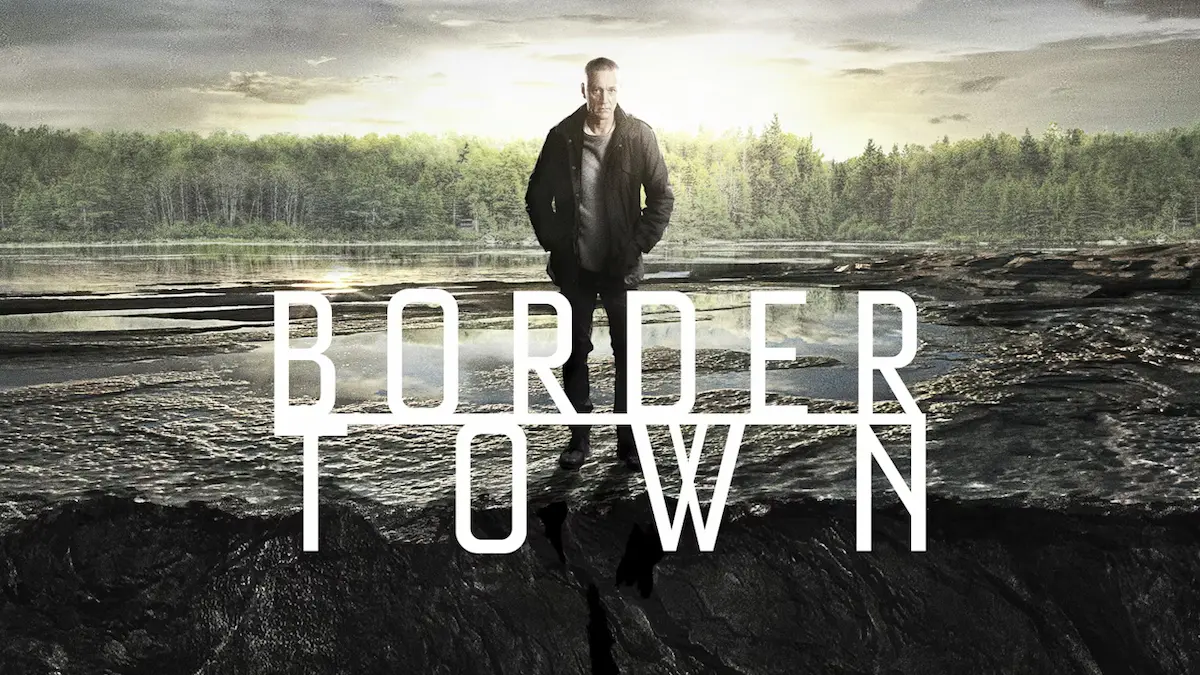
Key works? The genre’s heavyweights include Jo Nesbø’s Harry Hole series, Stieg Larsson’s Millennium trilogy, Henning Mankell’s Kurt Wallander novels, and TV phenomena like Trapped and Bordertown.
While Nordic Noir terrifies with the real, Nordic Horror chills with the surreal.
Nordic Horror: When the Forest Whispers Back
If Nordic Noir is the chill of a detective’s glare in a rain-soaked alley, Nordic Horror is the creak of a floorboard in an empty cabin – or the realization that the empty cabin was never empty to begin with. Nordic Horror isn’t your typical jump-scare horror. It’s slow-burn dread, rooted in Nordic folklore, nature, and the psychological shadows cast by long, dark winters. These stories linger.
Nordic folklore is packed with creatures like trolls, huldra (seductive forest spirits), and nøkken (water demons who lure victims to drown). Modern Nordic Horror often reimagines these myths for the 21st century, asking: What if the old stories were true? Films like Trollhunter and Border blend documentary realism with folklore, making the supernatural feel terrifyingly plausible.
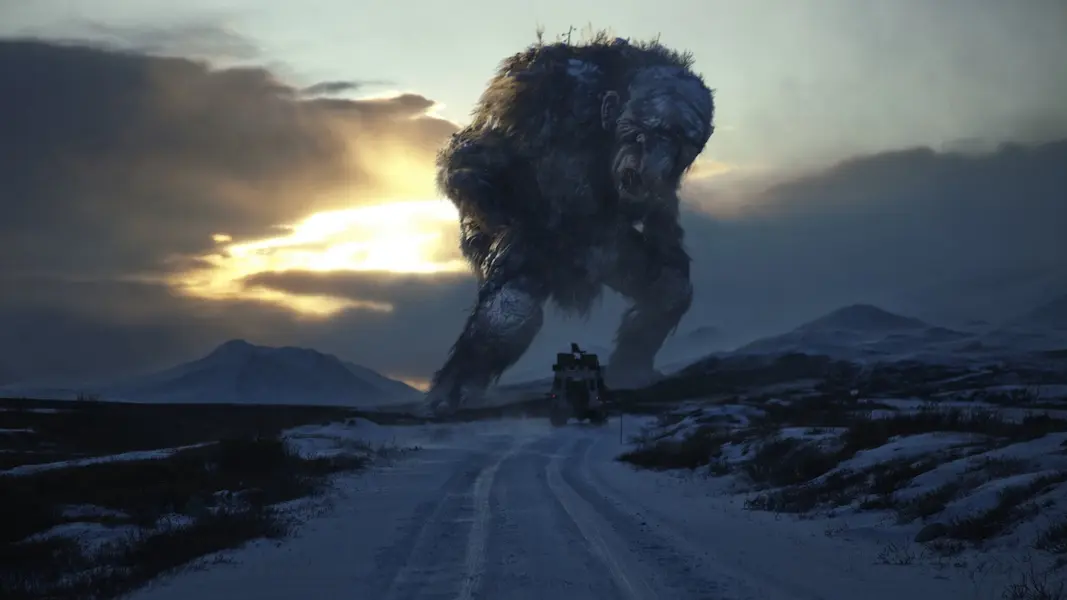
In Nordic Horror, the wilderness isn’t just a setting. It’s a character. The endless forests, frozen lakes, and misty fjords aren’t just random backdrops; they’re active participants in the story. You’ll never walk alone in the Nordic woods. You’re just not the top of the food chain there.
Yet Nordic Horror isn’t just about ghosts and goblins. In the end, they are story vehicles. The stories are about what haunts us: loneliness, repression, and the cracks in society’s facade. Let the Right One In uses a child vampire to explore bullying and isolation; Thelma tackles religious trauma and queer identity; Speak No Evil skewers polite society’s dark underbelly. These stories are there to make you think.
The scariest Nordic Horror often starts with something ordinary – a suburban apartment block, a family dinner, a school trip – and twists it into something sinister. The horror isn’t in the unknown; it’s in the familiar turning strange. A child’s new friend who only comes out at night. A family’s polite hosts who won’t let them leave. A lamb that isn’t a lamb at all.
While Nordic Noir exposes the cracks in society, Nordic Horror digs deeper into the cracks in reality itself. But what happens when the two collide? That’s where things get really interesting…
Where Noir and Horror Collide: The Dark Heart of the North
Nordic Noir and Nordic Horror might seem like distant cousins: one grounded in gritty crime, the other in ghostly folklore. But they also share a lot. Both genres thrive on isolation, moral ambiguity, and the idea that the North’s beauty hides something sinister. And sometimes, they crash into each other.
Think of The Snowman (a serial killer thriller with supernatural undertones) or Jordskott (a crime drama where the forest itself seems alive with ancient evil). These works weave together both genres, asking: What if the real monster isn’t a person or what if the crime scene is cursed?
The Landscape as Character: In both Noir and Horror, the Nordic environment is an active force. The endless forests, icy fjords, and misty streets aren’t just settings; they’re accomplices. In Noir, the city’s shadows hide killers. In Horror, the woods hide things that shouldn’t exist. But in both, the land is never neutral.
Social Critique with a Supernatural Twist: Nordic Noir exposes the cracks in the welfare state: corruption, inequality, the failures of justice. Nordic Horror, meanwhile, digs into primal fears: loneliness, the unknown, the things we bury. When the two collide, you get stories like Border, where a crime investigation uncovers not just a murderer, but a troll. Society’s issues aren’t just systemic – they’re ancient.
Isolation as a Weapon: Both genres love to trap their characters physically or emotionally – or indeed, both. A detective in a remote village. A family in a cabin with no escape. The isolation works as a strong plot device; it’s psychological torture, forcing characters (and audiences) to confront what they’d rather ignore.
The Unreliable North: Nordic stories, whether Noir or Horror, love to play with perception. Is that shadow in the alley a killer – or something older? Is the protagonist losing their mind, or is the world really as twisted as it seems? The line between reality and nightmare is deliberately blurry.
The Future of the Hybrid
The overlap between Noir and Horror is a natural fit. Both genres are obsessed with what lies beneath the surface. Noir peels back the layers of society; Horror peels back the layers of reality. As Nordic storytelling continues to evolve, the line between Noir and Horror is only getting fuzzier. Authors like Yrsa Sigurðardóttir and filmmakers like Eskil Vogt and Ali Abbasi keep blurring the boundaries and bringing in new flavors like religion and myths. The takeaway? Whether you’re here for the crime or the chills, the North has plenty of both – and sometimes, they’re the same thing.
Must Read list:
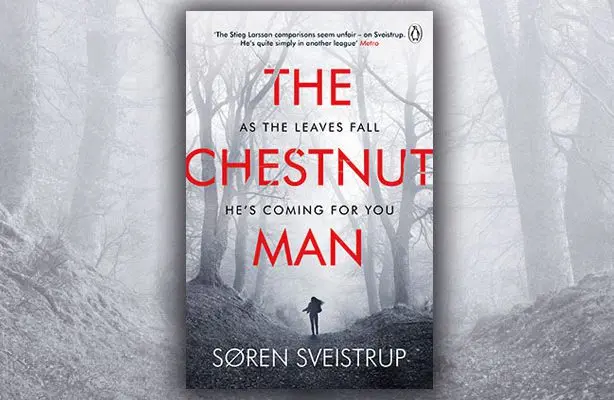
- The Chestnut Man – Søren Sveistrup (Denmark) A serial killer thriller with folk horror vibes.
- The Dying Detective – Leif G.W. Persson (Sweden) A Noir mystery with psychological horror depth.
- The Redbreast – Jo Nesbø (Norway) A crime thriller with historical and supernatural undertones.
- The Crow Girl – Erik Axl Sund (Sweden) A serial killer investigation with horror-like twists. This trilogy is as gripping as it is disturbing.
- The Silence of the Sea – Yrsa Sigurðardóttir (Iceland) A ghost story wrapped in a crime mystery.
Dive into these chilling blends of crime and the supernatural – available on BookBeat for immersive listening! (Ad link: 70 days for free for new subscribers!)
Sources:
- Wikipedia: Nordic Noir
- Alussa oli murha: Johtolankoja rikoskirjallisuuteen (Arvas & Ruohonen, 2016)
- Crime By the Book: https://crimebythebook.com/blog/2020/11/22/nordic-noir-november-spotlight-on-icelandic-crime-fiction
- Vogue Scandinavia: https://www.voguescandinavia.com/articles/scariest-scandinavian-horror-films-of-all-time