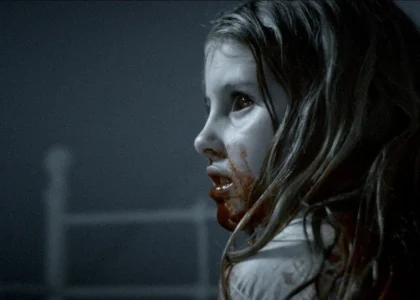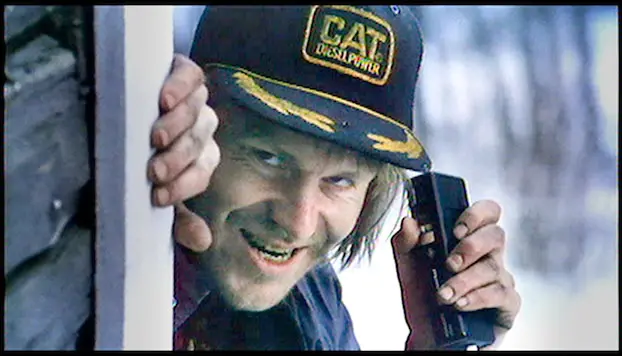
This post is part of a series focusing on Nordic Horror Movie Villains. Check out also articles about Swedish, Danish and Norwegian Horror Movie Villains.
Finnish horror may not be as globally known as American or Asian horror, but it has its own unique atmosphere – quiet, unsettling and deeply rooted in folklore and isolation.
Instead of loud jump scares, Finnish horror often builds tension slowly, creating a lingering sense of unease. And at the center of these stories are characters that feel disturbingly real – or just slightly off in a way that’s hard to explain. From the snowy magical Lapland to quirky rural backdrops, Finnish horror movie villains embody fears both ancient and modern. So who’s the most terrifying? Here’s my countdown of top 5!
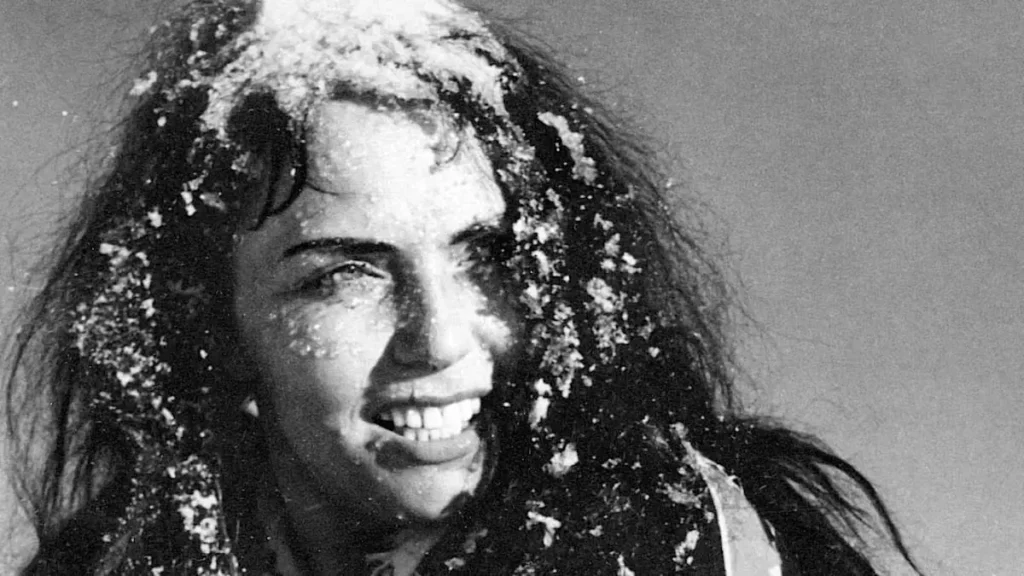
1. Pirita – White Reindeer (Valkoinen Peura)
Only a few horror films have won critic’s praise internationally. Erik Blomberg’s Valkoinen Peura is one of those rare occasions. Released in 1952, the Lappish fairy tale went onto picking awards in Cannes and the Golden Globes.
The powerful performance by Mirjami Kuosmanen as Pirita, a moody Lappish witch, makes the film stand out. Pirita is a hypnotic combination of beauty, wildness and the glamour of witchcraft. As it quickly becomes apparent, no man is safe from her. Magic will happen.

2. Santa Claus – Rare Exports
What better place for a Christmas horror movie than Finland, the home of Santa Claus? In 2003, Jalmari Helander’s short film Rare Exports Inc., originally produced as a Christmas greeting to the clients of Woodpecker Film, quickly started creating cult reputation. Ultimately it led to the production of Helander’s first feature film, Rare Exports.
The Santa of Rare Exports is far from the tubby, whitebearded, children loving, Coca Cola commercial that most of us are familiar with. This old man has one damn evil look in his eyes, and he definitely pays much closer resemblance to a wild animal than a father figure. And rest assured, he won’t be bringing any presents.
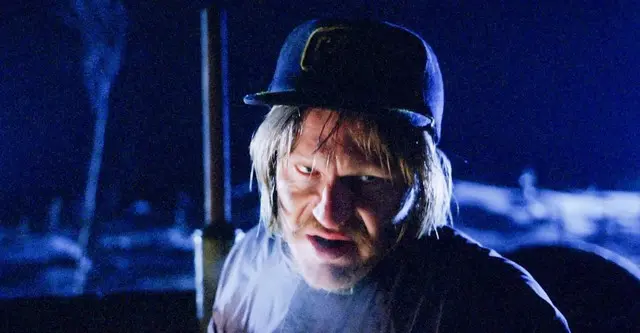
3. Johannes – Moonlight Sonata (Kuutamosonaatti)
Finland is a fairly large country, especially when considering the amount of people. There’s a lot of room for everyone, and for some serious rural backdrops as well. Kuutamosonaatti was released in 1988, 14 years after the release of rural horror classic The Texas Chainsaw Massacre.
Though Kuutamosonaatti turns significantly more towards comedy, it still carries on the theme and tradition of backward and violent hillbillies. Johannes is the ultimate manchild – sufficiently uncivilized and perverse.
4. The Sauna Spirit – Sauna
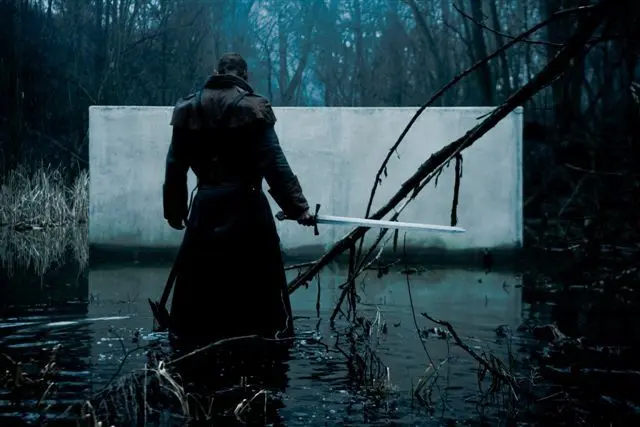
The unseen force in Sauna is one of the most haunting presences in Finnish horror.
Rather than appearing as a traditional villain, the entity manifests through guilt, memory and the characters’ past actions. It feels less like a monster and more like an inevitable consequence of moral wrongdoing.
This makes it far more disturbing than something physical.
5. The Forest Presence – The Twin
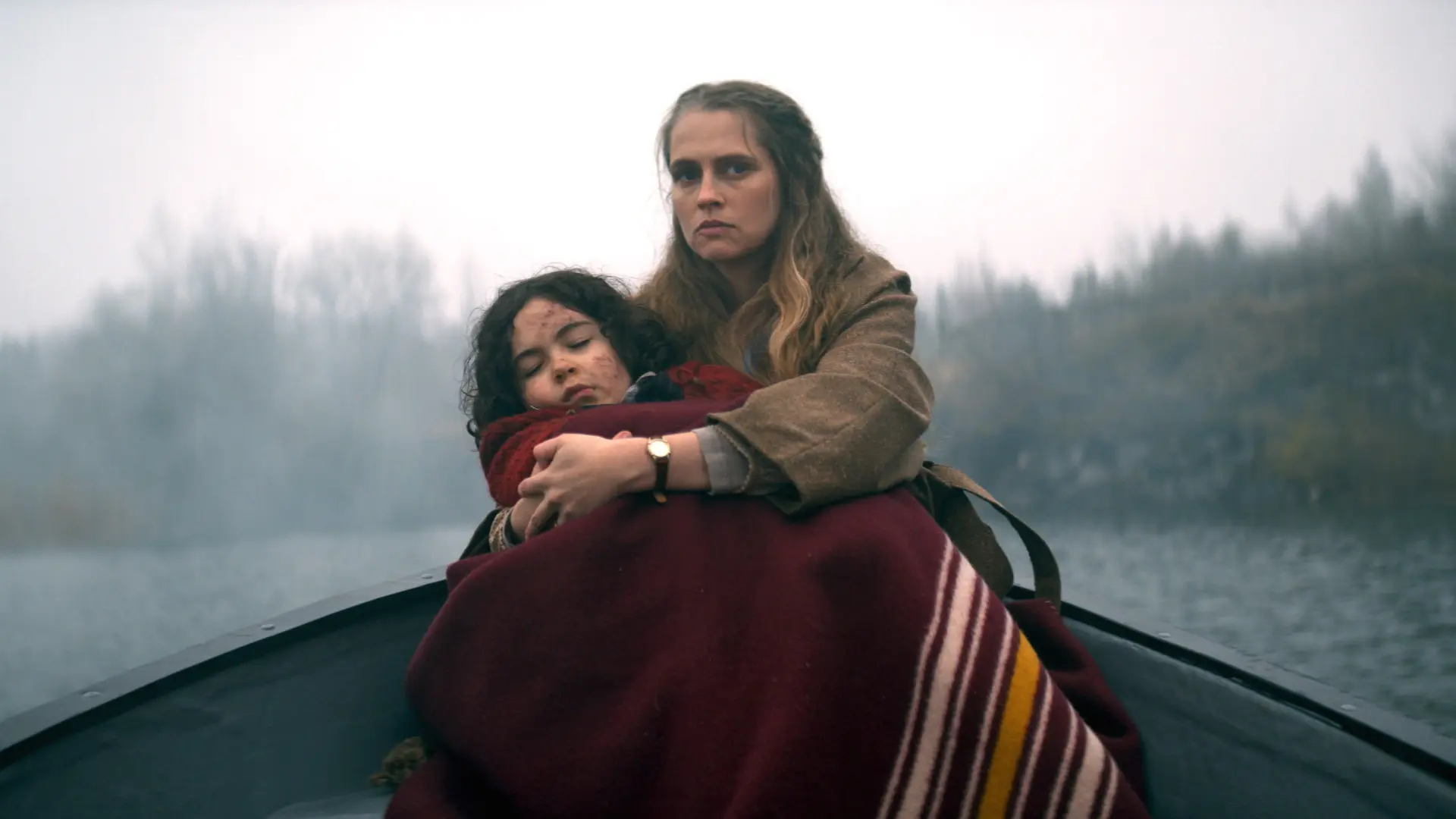
In The Twin, the horror is tied to grief, isolation and something ancient lurking in the surrounding nature.
The forest itself becomes a kind of silent antagonist – a presence that feels watchful and oppressive. The film draws heavily on Nordic themes, where nature is not just a backdrop but an active, unsettling force.
This subtle, ever-present threat makes the story deeply atmospheric.
What Makes Finnish Horror Villains Different?
Finnish horror rarely relies on clear-cut villains.
Instead, the “villain” (or antagonist) is often:
- psychological
- symbolic
- tied to nature or folklore
- or something that cannot be fully explained
This creates a different kind of fear – one that stays with you long after the film ends.